
Bring all the tithes into the storehouse…
I grew up in Cairo, GA – a small town in South Georgia. And like most small towns in the South, Cairo has a First Baptist Church, which is where we attended.
Just like it was yesterday, I can still see First Baptist’s head deacon getting up from his pew, making his way to the pulpit, opening his Bible, and reading this passage before we passed the collection plate:
“Bring all the tithes into the storehouse…and put me to the test and see if I will not open the windows of heaven for an overflowing blessing.”
I’ve been aware of tithing for pretty much my entire life. It’s been as constant as grape juice and communion crackers. I can even recall the first time I proudly put my tithe into First Baptist’s red velvet lined offering plate. The only part of tithing up for discussion was whether you tithed on the net or the gross.
But lately I’ve been exploring tithing and generosity and am shocked at how much I didn’t know. I frequently find myself saying, “How did I not know this!?”. So, let’s look at three facts that have given me a completely new perspective on tithing.
The Israelites celebrated when they gave their tithe
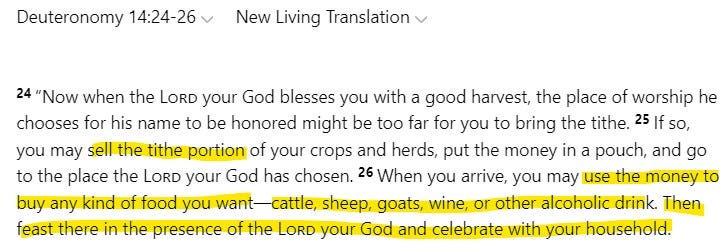
I had to tell everyone the first time I saw this. I went back and re-read it multiple times to make sure I didn’t misunderstand. “You mean the Israelites celebrated when they gave their tithe???” Heck, I even showed it to a neighbor when I was out walking our dog. I couldn’t believe it.
And the Israelites not only celebrated but feasted – eating their own tithe! I always envisioned the giving of tithes as a somber, serious ceremony. Certainly not a celebration. But right here in black and white we can see that God commanded them to celebrate and enjoy the giving of their tithe.
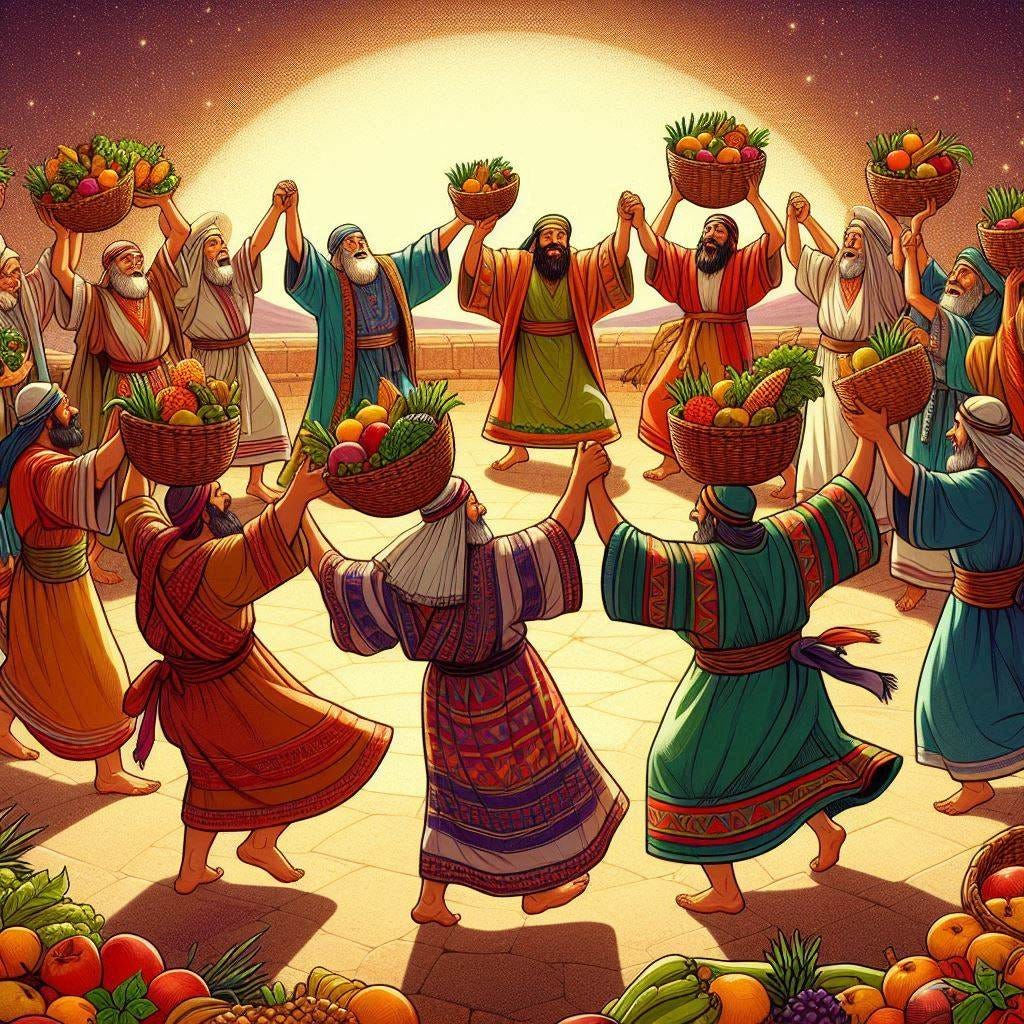
Why does God do this? First, God makes it clear throughout these laws that the focus is on the “land”. It’s repeated over and over – the land, the land, the land. The harvest and therefore the tithes from the harvest are a direct result of God’s blessing and abundance – namely through the land.
So, this was basically like a Fall Festival: All the farmers have harvested their crops and now everyone in the community celebrates the successful season. In fact, many folks smarter than me call this the “festival tithe” for this reason. Discovering this tithing fact was certainly a game-changer for me.
Israelites outside of the promised land were not expected to tithe
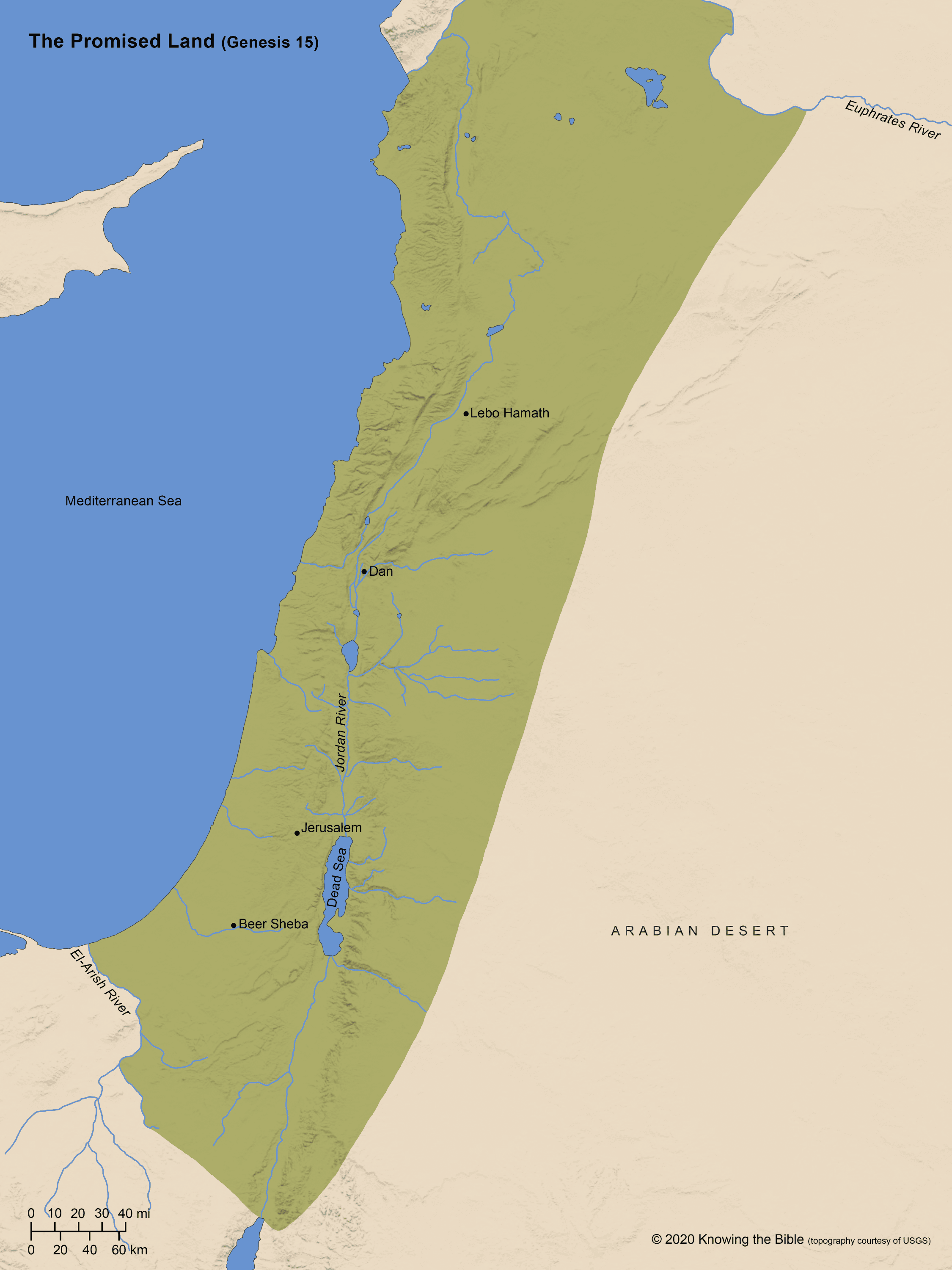
It’s clear that the tithe was tied to the land. It’s mentioned over and over. The tithe was an acknowledgement and celebration of God fulfilling his promise of blessing – specifically in the land he had promised.
But what happens if the Israelites aren’t in the promised land? After the exile, the teachers of the law had to figure that one out. And while there is certainly debate as to the consensus, it appears that many agreed the tithe didn’t apply. David Croteau in his book, “You Mean I Don’t Have to Tithe? A Deconstruction of Tithing and Reconstruction of Post-Tithe Giving” writes of those Jews in the New Testament period:
“In the New Testament period, artisans, fisherman, and tradesman did not pay tithes on their income, and Jews outside of Palestine (those in the diaspora) did not pay tithes on anything.”
Even today, according to this resource from My Jewish Learning, the tithe does not apply to those living outside of Israel.
File this one in the category of “things I didn’t know”.
The tithe likely wasn’t 10 percent
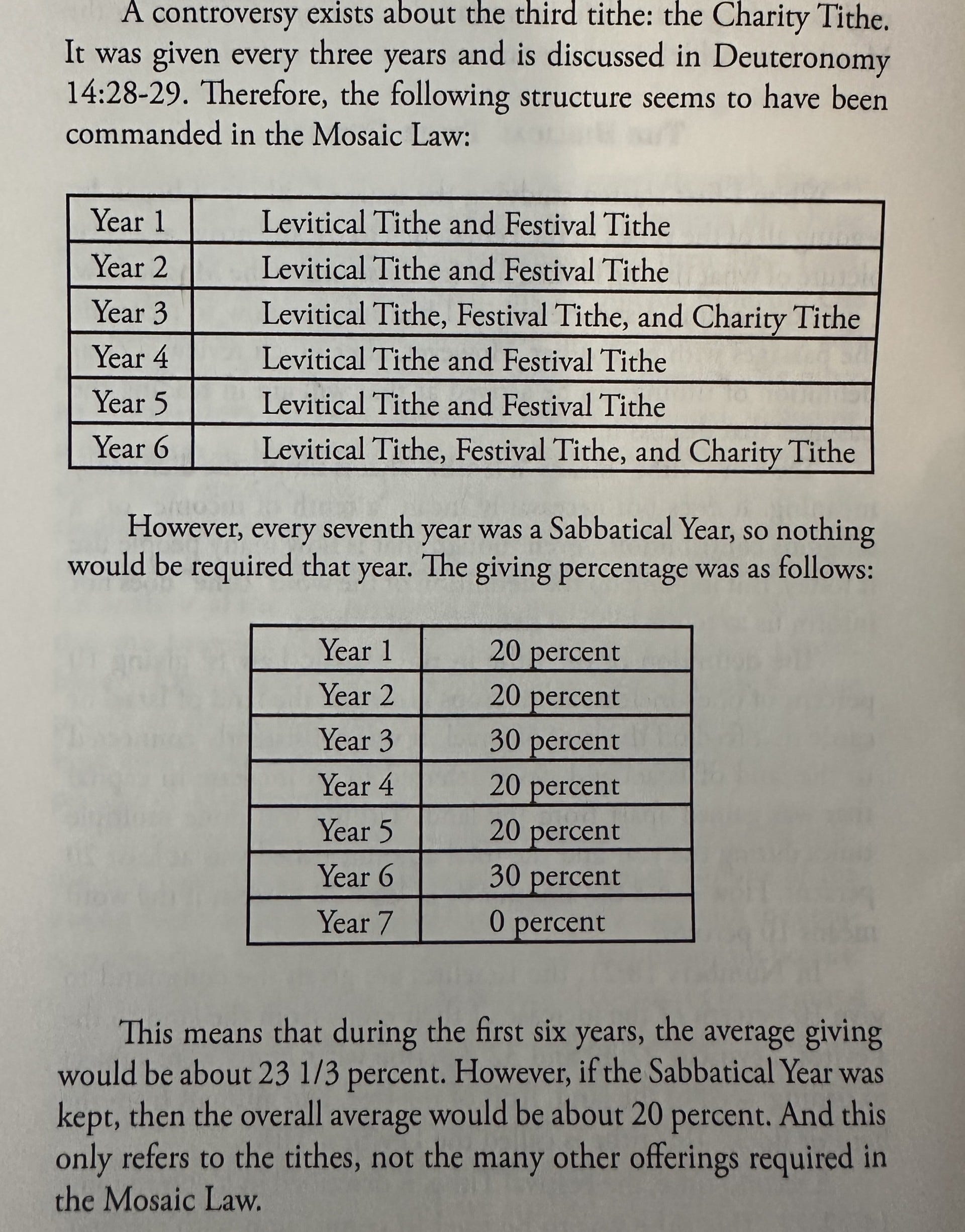
Source: Tithing after the Cross – David Croteau
Many pages have been written on the tithe. And the underlying assumption of most of them is that the tithe is ten percent. “Do I tithe on the net or the gross?” is a classic example. But what happens if the tithe isn’t ten percent? What happens when there are multiple “tithes”, and they all add up to more – much more – than ten percent?
That, in fact, appears to be the case. The total amount of the tithe is debated, but a likely amount is shown above pulled from David Croteau’s book, “Tithing after the Cross”.
There were different “tithes”. There was the Levitical Tithe, the Festival Tithe (mentioned above), and possibly a third, the Charity Tithe. And there were also different time periods for each tithe.
When you combine the tithes, the average amount given was in the twenty percent range – not ten percent.
So, next time the gross vs. net tithing debate comes up, you can throw your flag and ask, “how much tithe are we talking – 23 1/3, 20, or 10 percent”?
Tithing is peculiar
Tithing, in my experience, has a peculiar place in the church. On the one hand, if you mention tithing to a churchgoer, the vast majority will know what you are talking about. But on the other hand, the different aspects and purposes of tithing are not well known at all.
I certainly wasn’t aware that a celebration occurred when giving one of the tithes, and I had never thought to ask the question of, “does the tithe apply outside of the land?”. Even the fundamental assumption that the tithe was ten percent seems to be incorrect.
And I haven’t even touched the larger question of, “does the tithe apply to New Testament believers?”. I’ll leave my opinion on that for another time.
Regardless, I hope you find these as interesting as I did!
Disclosure: All written content on this site is for information purposes only. Opinions expressed herein are solely those of Ridley Wealth Management, LLC and our editorial staff. Material presented is believed to be from reliable sources; however, we make no representations as to its accuracy or completeness. All information and ideas should be discussed in detail with your individual adviser prior to implementation. Advisory services are offered by Ridley Wealth Management, LLC. Being registered as a registered investment adviser does not imply a certain level of skill or training.
The presence of this web site shall in no way be construed or interpreted as a solicitation to sell or offer to sell investment advisory services to any residents of any State other than the State of Texas or where otherwise legally permitted. All written content is for information purposes only. It is not intended to provide any tax or legal advice or provide the basis for any financial decisions. All investing involves risk including loss of principal. Past performance does not guarantee future results.
Ridley Wealth Management, LLC is not affiliated with or endorsed by the Social Security Administration or any government agency.
Images and photographs are included for the sole purpose of visually enhancing the website. None of them are photographs of current or former Clients. They should not be construed as an endorsement or testimonial from any of the persons in the photograph.